Sideline

Rehab to the professional standard.

The sports rehab professional athletes get, inside the performance gym you already train in.

01 / Locations

Treated where you train.

Sideline is sports rehab inside sports performance facilities. The clinic is in the building you already train in, and the clinician is the one who watches you lift. Find your facility below, or ask for Sideline at yours.

We set up inside performance gyms, club sport facilities and training academies. Gym owners: bring Sideline to your gym.

02 / Athletes

The process.

Cleared and ready are not the same. Sideline gets you ready.

01

Evaluation, one on one

On the table and on the floor, with the clinician who will see you every week. What is limiting you, what has to change, and what you need back for your sport.

02

Baseline and scorecard

Strength, power, movement, symptoms and sport demands become a scorecard. The scorecard sets the priorities for your first block.

03

Structured monthly blocks

Each month is a training block built off the evaluation, aimed at the next thing standing between you and performance. Settle and activate, then strength, then power and direction, then your sport.

04

Weekly room visit

On member days you come in for manual therapy, FDN, BFR, and the week's progression. Twenty minutes, then back to the floor.

05

Retest, then the next gate

Progress is checked against the gates for your injury, retested whenever the block calls for it. As capacity returns the work gets specific: running, cutting, throwing, lifting.

06

The app between visits

Your block, the daily script with videos, test results and a line to your clinician, in your pocket. The work between visits is where the return actually happens.
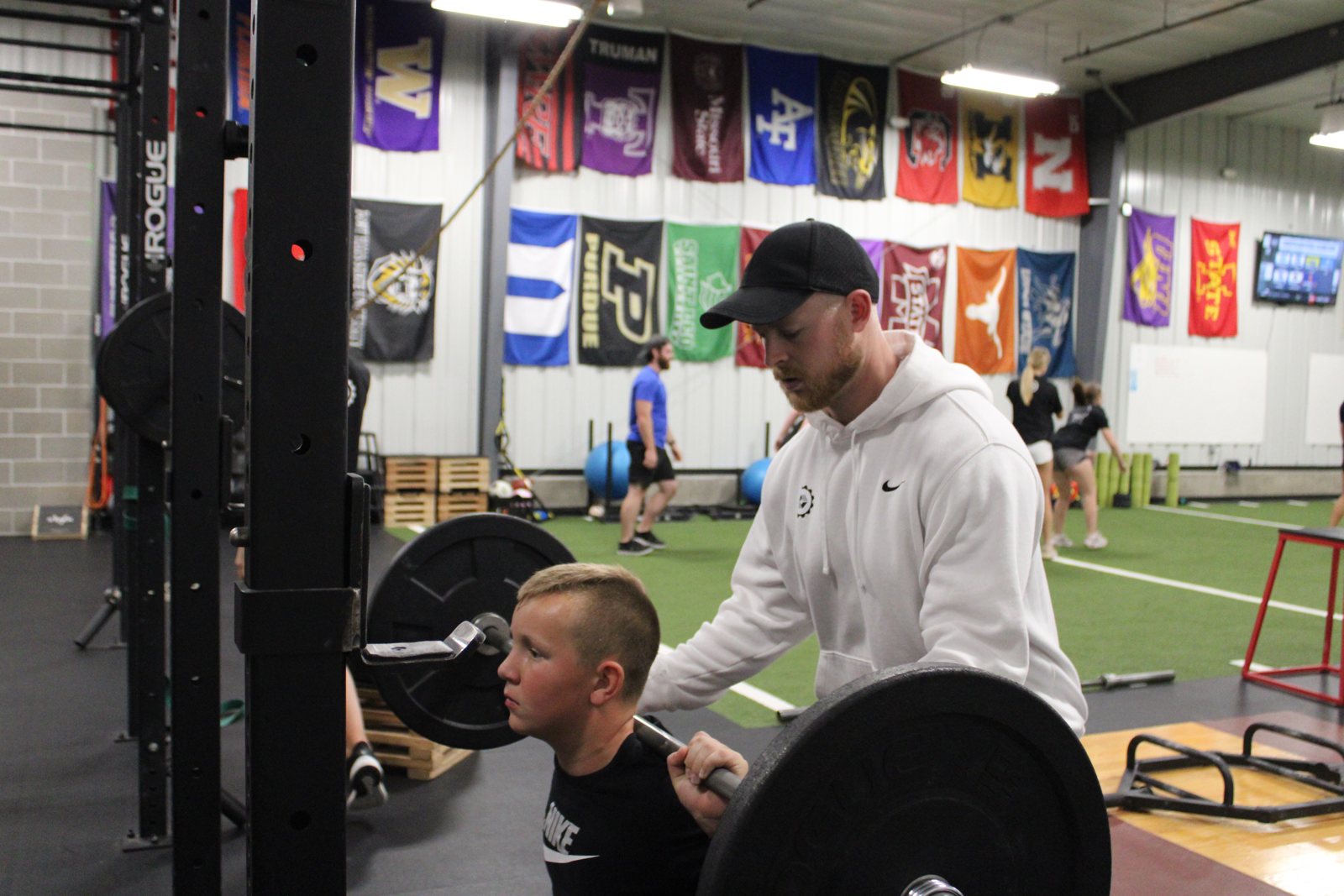
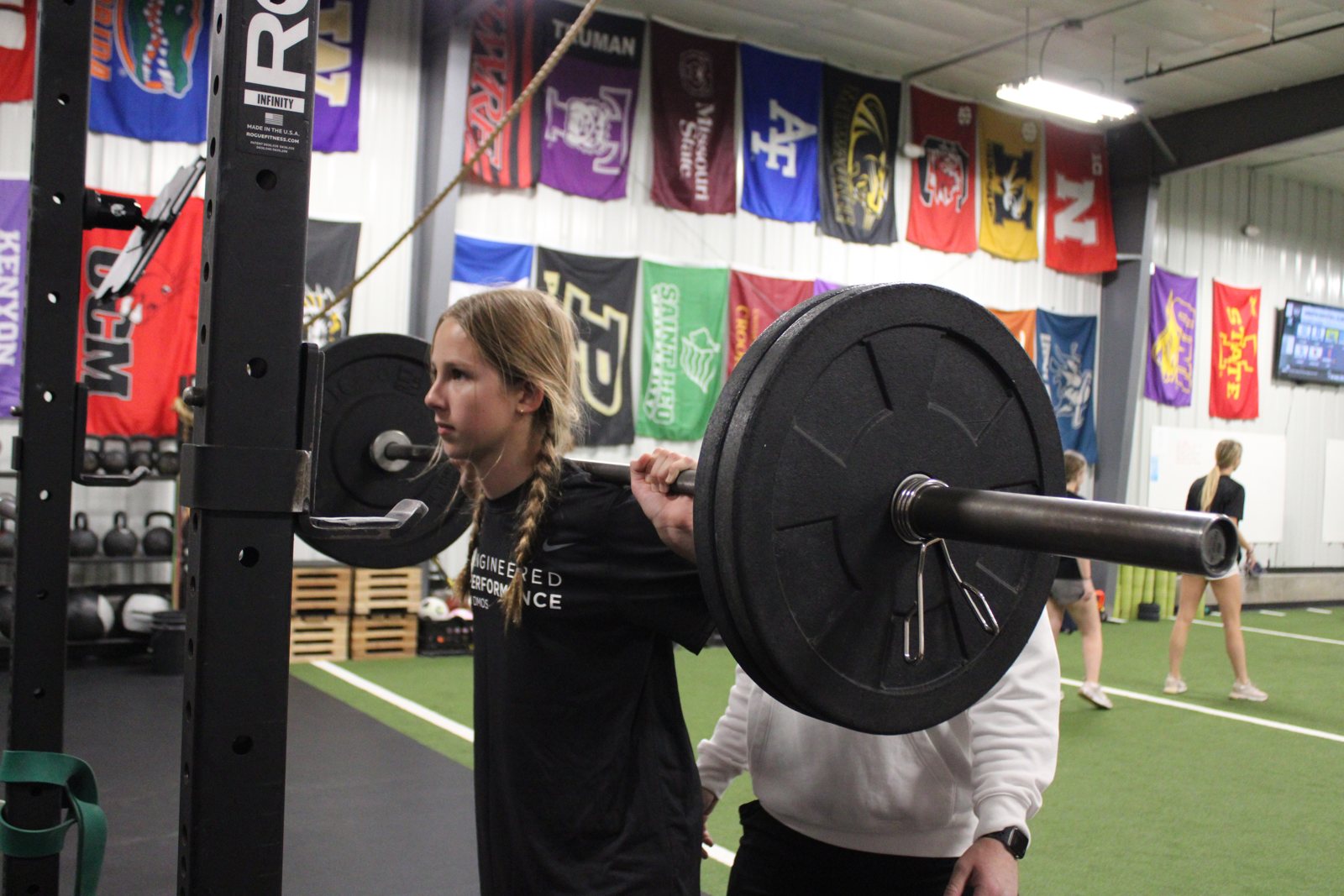
A coach watching a young athlete squat
03 / The app

Your plan, in your pocket.

Every athlete gets the app. Your current block, today's script with videos, your test numbers against the gates, and a line straight to your clinician. Measured, not guessed, and never a guess about what to do today.

Mia R.
ACL · week 12 · block 3 of 5 Power and direction Week 2 of 4 · next gate: quad and hops at 90%
Today · ThursdayMember day · 4:10 pm
  • Trap bar deadlift4 × 5 · RPE 7 · video
  • Rear-foot elevated split squat3 × 8 each · tempo 3-1-1
  • Pogo hops3 × 20 · quiet landings
  • Single-leg hop prep3 × 5 each · stick it
91%Quad
88%Hop
0°Ext.
Wk 14Retest
Joey · 8:12 am

Knee quiet after Tuesday? If so, top weight on the deadlift today. Hops next week.

Reply
TodayBlockTestsMessages
What you see

Your name, your injury and where you are in the return. The block you are in and the gate that ends it. Today's script, with a video for every exercise.

What your coach sees

The same block and the same script, so what you do in your performance classes and what you do with us are one plan, not two.

What your clinician sees

What you ticked, what you skipped, how it felt, and your test numbers against the gates. Message any time; it is answered by the person who treats you.

06 / Who

Clinicians who train.

Every Sideline clinician is licensed to treat and qualified to coach. That is the whole hiring rule.

Joey Glenn

Joey Glenn, DC, CSCS

Founder. Built Engineered Performance, a performance facility that grew a clinic inside it until an orthopedic surgical group acquired it. Sideline is that pattern, done on purpose, in other people's buildings.

A clinician, not yet named

Clinician, Des Moines

PT, DC or ATC with a strength credential and a wish to work inside a gym instead of a clinic. Rooms open in 2027.

Ask about it
Book

Book an evaluation.

Open in 2027. Use the form below to ask questions, refer athletes, or inquire about bringing Sideline to your club.
← Sideline For clinicians · continuing education

Sideline Method.

The continuing education side of Sideline: live CEU courses taught on the floor at host clinics and facilities, and a free portal that keeps your lessons, slides, certificate and CEU record.

The portal

Free to join. Yours to keep.

  • A free account gets you the lessons, the webinar series, and the BFR Risk Screen.
  • Take a course and your slides, summary sheets, certificate and CEU record live there too, kept current when the material changes.
  • Clinical tools you can run on a real patient this week.
  • Host a course at your clinic or facility: you supply the room and the reach, we handle registration, CEU approval and the teaching.
A coach and an athlete at the bar

Taught by Joey Glenn, DC, CSCS. The course site and the portal stay where they are while the clinic is built.

← Sideline For clinicians · work with Sideline

Treat inside the gym.

Sideline clinicians run a treatment room inside a performance facility: the table, the floor, and the athletes who train there. Licensed to treat, qualified to coach, one clinician per location.

A coach watching a young athlete squat
The role

One clinician, one room, the whole return.

The week

Member days in the room: twenty-minute visits, manual therapy, FDN, BFR, and the week's progression. One-to-one days for evaluations and athletes who train elsewhere. Testing whenever the plan calls for it.

The system

Evaluation and scorecard, structured monthly blocks, gates for every return, and the app that carries the daily script and the messages. You run the method; you do not have to invent it.

The building

A performance gym or sports club that hosts the room. Your athletes train forty feet from your table, and their coaches are in the same plan.

Who fits
  • PT, DC or ATC, licensed in Iowa or able to be.
  • A strength credential, or the floor time that amounts to one. You will coach lifts, not just prescribe them.
  • Comfortable with hands-on work, BFR, and testing against numbers.
  • Wants to work inside a gym instead of a clinic, and to own a room rather than a schedule.
What Sideline supplies
  • The room, the equipment and the host relationship.
  • The clinical system, the app, the documentation and the paperwork.
  • Referral relationships with surgeons, trainers and coaches.
  • The name on the door, and a clinician in Ankeny who has done this before.
Where

First rooms in 2027.

Ankeny and West Des Moines open first. The host facilities are being chosen now, and the second room needs a clinician. Say who you are and where you are, and the conversation starts there.

← Sideline For surgeons, team physicians, athletic trainers and physical therapists

Finished properly. Reported plainly.

Post-op and injured athletes taken the rest of the way, inside the gym they train in, with a report you can read in a minute.

What you get
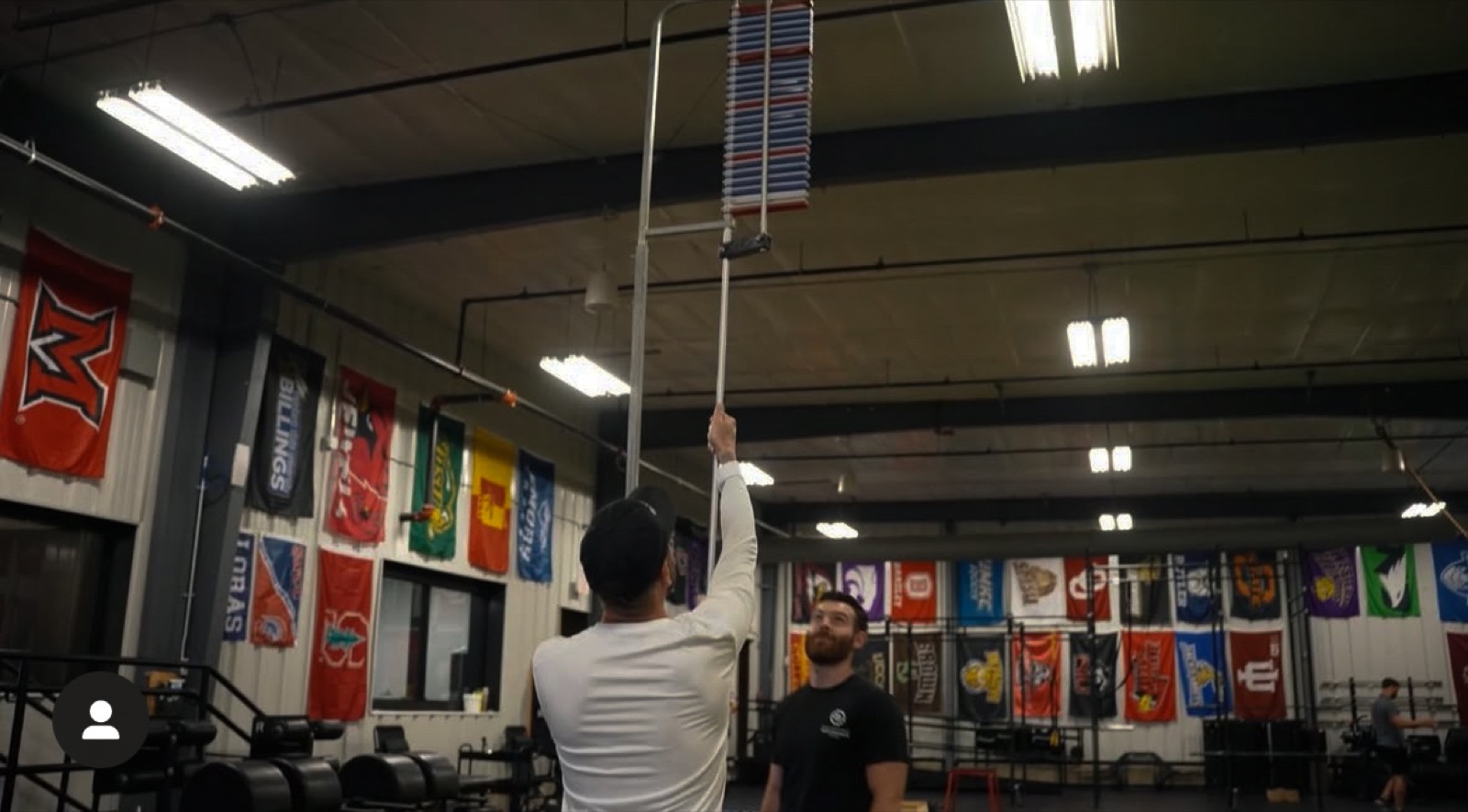
A vertical jump test in the gym
  • Criteria-based progressions you can see, with the tests and dates attached.
  • A one-page note after every test. Numbers first, no narrative.
  • Your protocol respected to the letter. We do not improvise on healing tissue.
  • Strength and conditioning in the same building when they are cleared for it, so the handoff is a walk, not a referral.
  • One clinician for the whole return. You always know who to call.
← Sideline For gym and club owners

Bring Sideline to your gym.

A sports rehab clinic inside your building, without building one. Your athletes stay through an injury instead of leaving, and new athletes arrive through the surgeons and trainers who refer to us.

How it works
You supply

A room, the floor, and your athletes. Sideline fits a standard treatment room into a space you already have. Days and hours are set together before opening.

Sideline supplies

Licensed clinicians, the clinical system, the app, the paperwork, the insurance, the referral relationships and the name on the door.

You get

Athletes who stay through an injury, post-op athletes who are new to your floor, and a clinical arm your members and their parents trust.

  • Sideline operates under its own name and licence inside your facility. Your brand stays yours.
  • Members train in your classes on the same plan their clinician writes. The app shows both.
  • Rooms open in 2027. Early conversations decide where the first ones go.
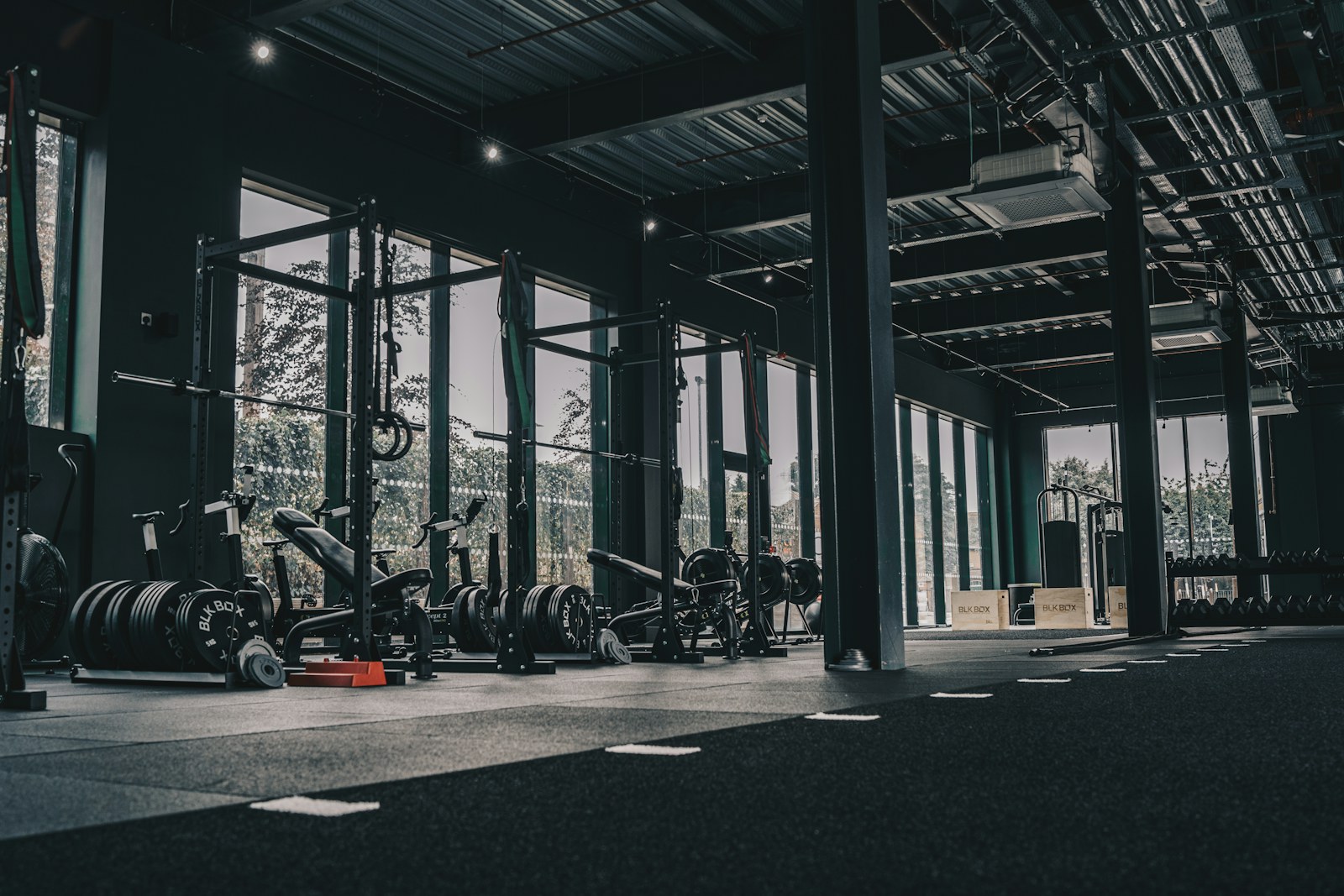
A dark performance gym, racks and turf
← Sideline What we treat

Four returns, each with its own gates.

Every condition on this list gets the same treatment: a plan with criteria, visits spaced by the criteria, strength on the floor, and a file with every number in it.

A dark performance gym, racks and turf
← Sideline What we treat · Knee · post-op

ACL return to sport.

From the first week after surgery to the first cut in a game. Five gates, each with a test you have to pass, none of them a date on a calendar.

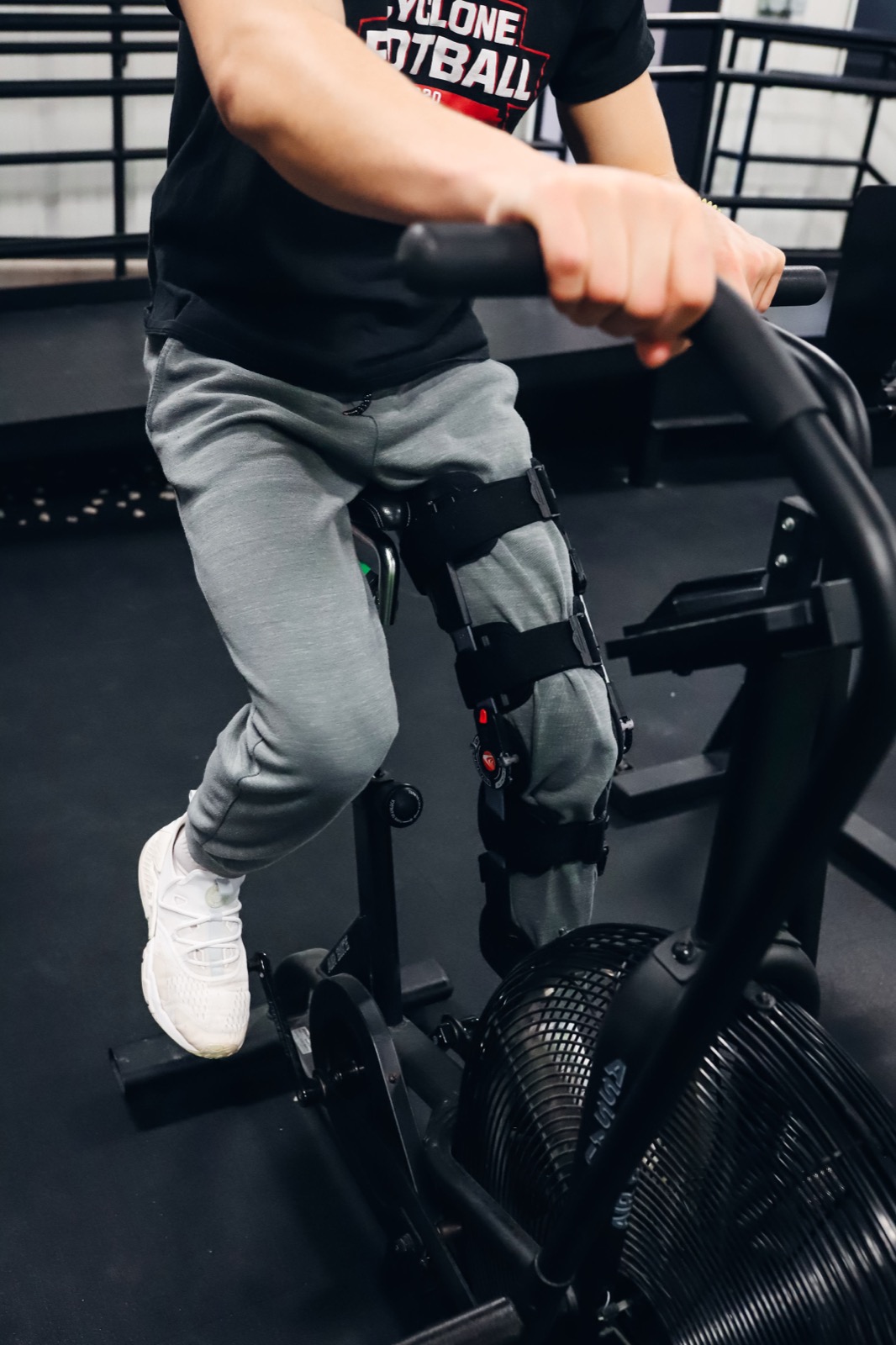
An athlete in a knee brace on the bike
The approach

Most ACL rehab fails in the last third: the knee is quiet, the surgeon has signed off, and nobody is measuring. Sideline runs the whole return in one building, with the strength work on the floor you already train on, and does not clear a phase until the number says so.

Timeline
Nine to twelve months for most athletes. Earlier is not a goal; re-injury risk falls with every month past nine.

A young athlete back-squatting with a coach behind her
The gates

You move when the test says so.

Each gate lists what we do and the numbers that open the next one. The dates are typical, not promises.

01
Weeks 0 to 2

Protect and activate

Effusion control, extension to zero, quad activation with NMES and BFR, patellar mobility, walking pattern.

To pass

Effusion trace or less · 0° extension · straight-leg raise with no lag · flexion past 120°

02
Weeks 2 to 12

Rebuild strength

BFR under low load until the graft allows heavy load, then heavy. Closed chain, bike, single-leg control. Two room visits a month, floor work between.

To pass

Quad strength 70% of the other side · full range · no effusion after loading · single-leg squat you would show the surgeon

03
Months 3 to 6

Run and load

Running progression, bilateral then unilateral plyometrics, the first hop tests, lifting on the floor at real loads.

To pass

Quad strength 80 to 85% · pain-free running at 20 minutes · hop testing started and tracked

04
Months 6 to 9

Power and direction

Sprinting, deceleration, cutting, sport drills with the coach in the room, continued heavy strength.

To pass

Quad strength 90% and above · four hop tests 90% and above · readiness score passed · nine months since surgery

05
Months 9 to 12 and on

Return and keep it

Unrestricted play with a maintenance program in the weight room and a retest before the next season.

To pass

Retest holds · in-season strength kept · the file closes with every number in it

Next

Start with the evaluation.

One on one, on the table and on the floor. You leave with the scorecard and the first block.

← Sideline What we treat · Elbow · throwers

UCL return to throw.

For the sprain managed without surgery, the internal brace, and the reconstruction. The arm gets back on the mound through a throwing program that advances on pain and mechanics, never on the schedule.

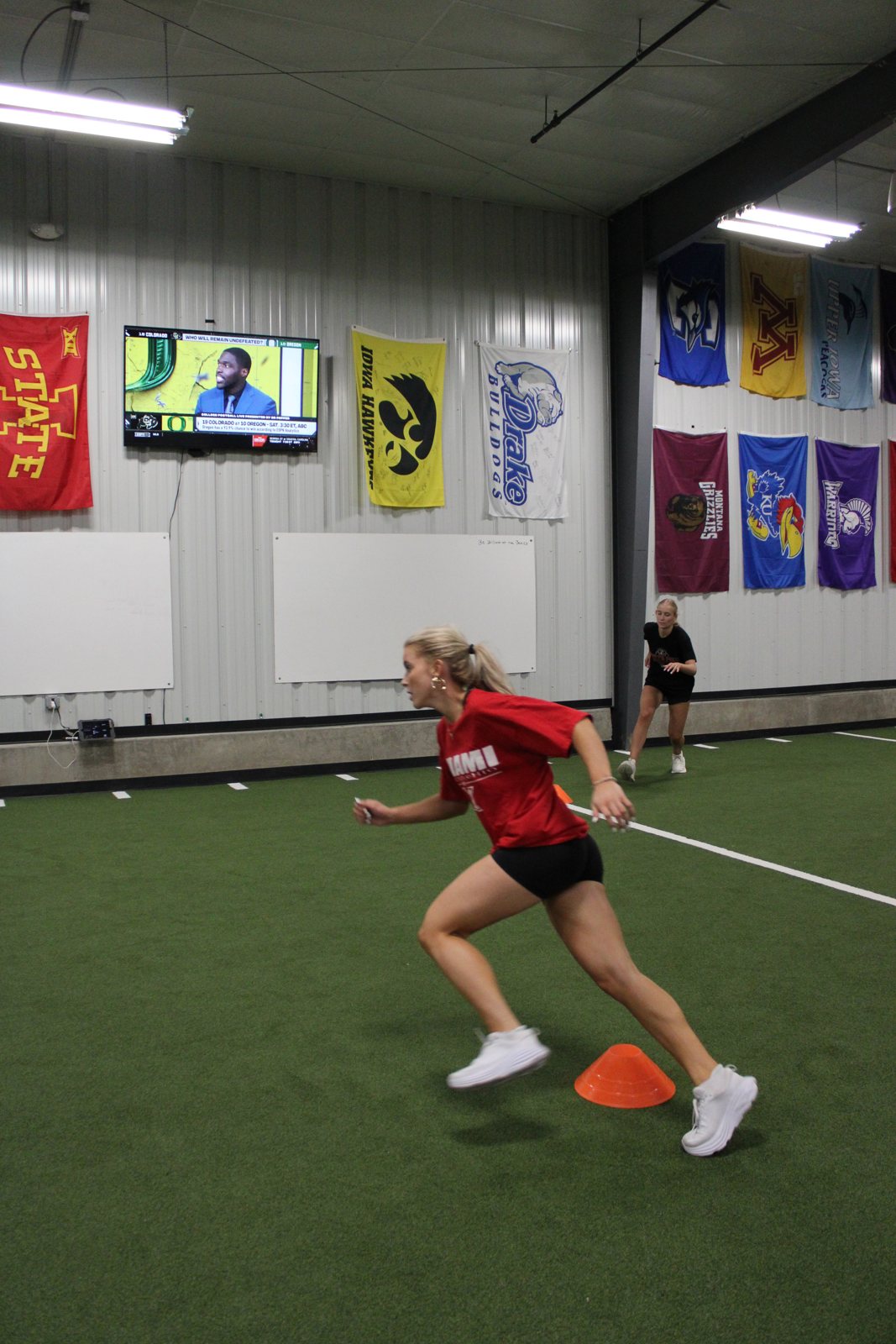
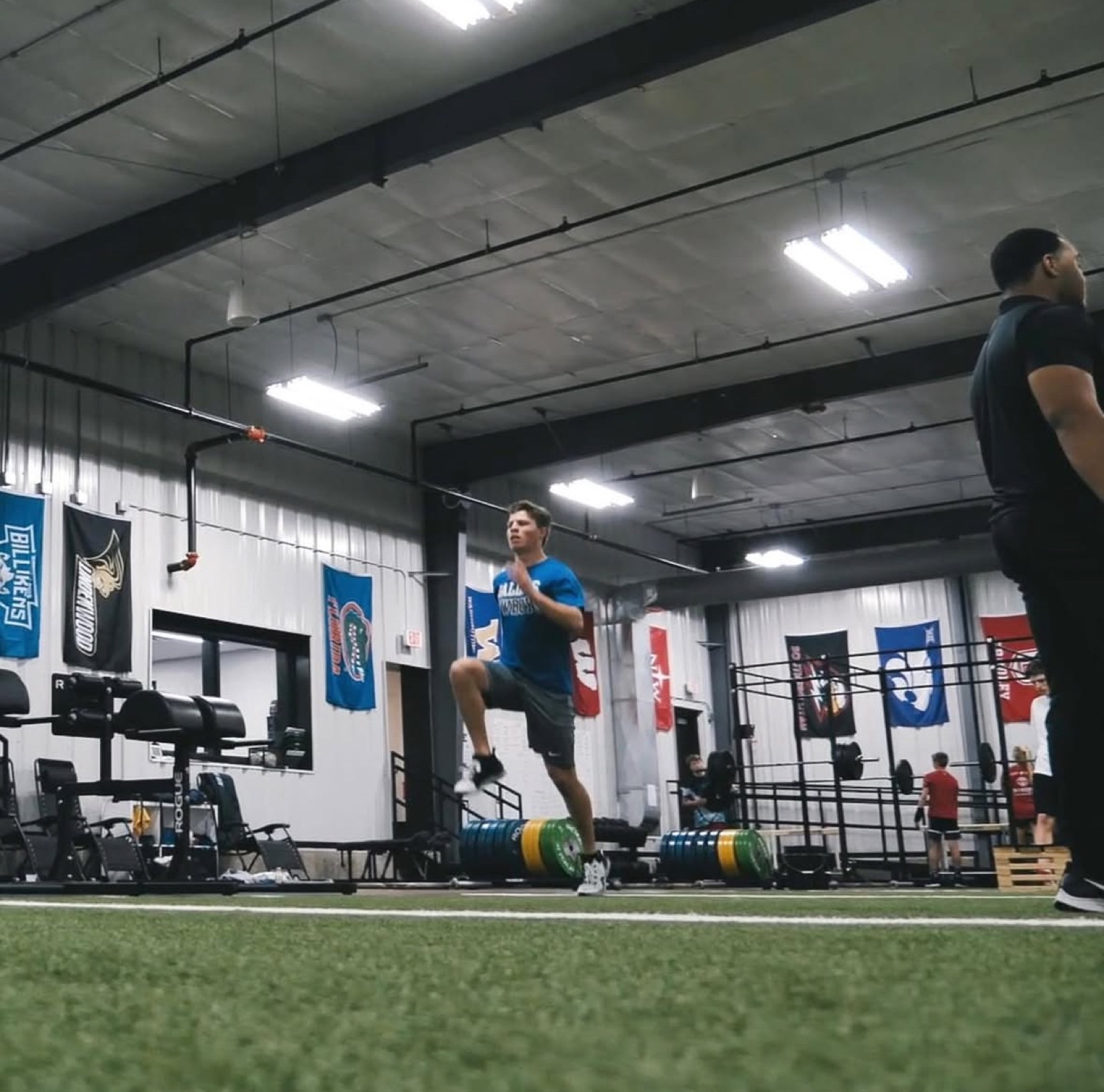
An athlete leaping on the turf
The approach

Elbows fail on the kinetic chain long before they fail at the ligament. Sideline rebuilds the chain first, hips, trunk, scapula, cuff, and only then starts the interval throwing program, step by step, with the coach watching mechanics on the same turf.

Timeline
Non-operative sprains: eight to sixteen weeks to full throwing. Internal brace: roughly six to eight months. Reconstruction: twelve to sixteen months to competitive pitching. Illustrative ranges; the surgeon's protocol governs.

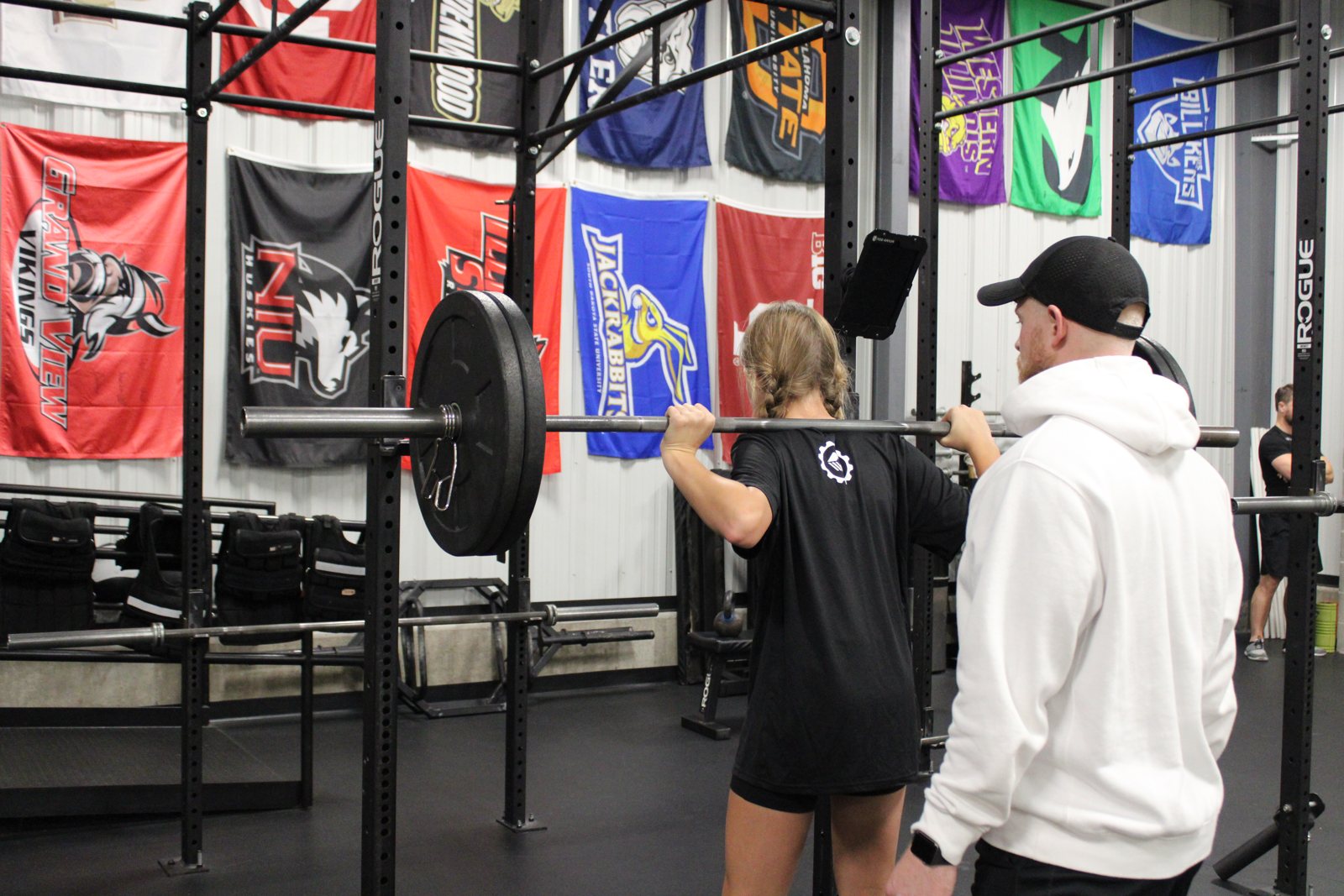
A coach and an athlete at the bar
The gates

You move when the test says so.

Each gate lists what we do and the numbers that open the next one. The dates are typical, not promises.

01
Weeks 0 to 4

Settle and move

Protect the ligament, restore elbow and shoulder motion, scapular control, no throwing.

To pass

Full pain-free elbow motion · total shoulder arc within 5° of the other side · no pain on valgus testing in the room

02
Weeks 4 to 10

Rebuild the chain

Rotator cuff strength, scapular control, forearm, and the hips and trunk that actually generate velocity. Heavy legs on the floor.

To pass

External rotation strength 90% of the other side · external-to-internal rotation ratio in range · pain-free plyometric ball drills

03
Weeks 8 to 12

Throwing drills

Two-hand and one-hand plyometric drills, wall work, mechanics review on video.

To pass

Pain-free drills at full intent · mechanics the coach signs off on

04
Weeks 12 and on

Interval throwing, flat ground

Distances step up from 45 feet to 180. Each step is thrown pain-free on two separate days before the next. Arm care between.

To pass

Completes long toss pain-free with velocity returning · no next-day soreness past normal

05
Final phase

Mound and return

Fastballs at half intent, then full, then off-speed, then pitch counts, then live hitters. Position players follow a position-specific plan.

To pass

Pitch count plan met pain-free · velocity within the pre-injury range · in-season arm care in place

Next

Start with the evaluation.

One on one, on the table and on the floor. You leave with the scorecard and the first block.

← Sideline What we treat · Spine · training athletes

Athlete low back.

Backs in athletes who keep training. Found a position that calms it, build the capacity that protects it, then load it back to the bar and the sprint.

A coach and an athlete at the bar
The approach

Rest fixes nothing in a training athlete; it just delays the question. Sideline screens the red flags at the evaluation, finds what settles the back in the first visit, and then does what clinics rarely get to: rebuilds trunk capacity and takes the athlete back under load, on the floor, with the coach.

Timeline
Two to twelve weeks for most, depending on how far the capacity has fallen. Disc and stress injuries follow their own timelines and a physician's imaging.

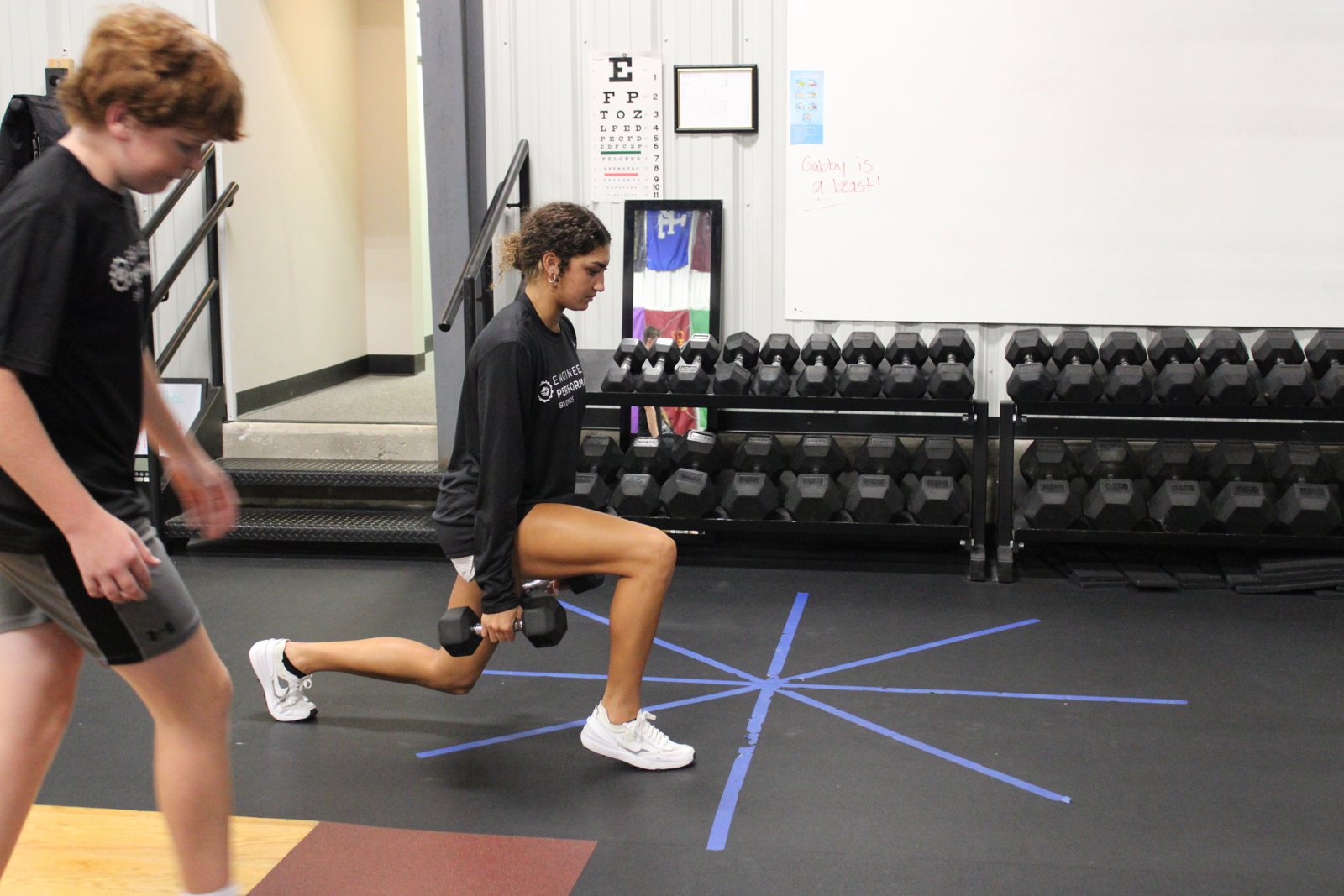
A young athlete lunging with dumbbells on the turf
The gates

You move when the test says so.

Each gate lists what we do and the numbers that open the next one. The dates are typical, not promises.

01
Days to two weeks

Settle

Directional preference, positions that calm it, breathing and bracing, walking volume, no bed rest.

To pass

Pain two out of ten or less with daily tasks · twenty minutes of walking · no leg symptoms or neurological signs

02
Weeks 2 to 6

Capacity

Trunk endurance in all three planes, the hinge pattern, carries, hip strength. The numbers get written down.

To pass

Endurance ratios in range · hinge with load pain-free · side plank and extensor holds at target

03
Weeks 6 to 12

Load

Progressive squat and hinge back to working weights, rotation power, running then sprinting.

To pass

Lifting at 80% of previous working weights pain-free · sprint and rotation pain-free · no next-day flare

04
After

Sport and season

Contact and sport drills, an in-season trunk program that takes ten minutes and gets done.

To pass

Full training week completed · maintenance program in the app · a retest when the plan calls for it

Next

Start with the evaluation.

One on one, on the table and on the floor. You leave with the scorecard and the first block.

← Sideline What we treat · Every return

Return to sport testing.

The battery behind every gate on this site. Strength, hops, power, movement and readiness, measured against the other side and against the athlete's own body weight, whenever the plan calls for it.

A vertical jump test in the gym
The approach

Symmetry alone lies: after an injury the good side gets weaker too, so a 90% match can be two weak legs. Sideline tests against the other side and against body-mass norms, writes both numbers down, and clears on the stricter one.

Timeline
A test takes about an hour and produces a one-page report that goes to the athlete, the coach and the referrer. Testing and retesting are part of the membership, not an extra, and happen whenever the plan needs them.

An athlete jumping on the turf
The gates

You move when the test says so.

Each gate lists what we do and the numbers that open the next one. The dates are typical, not promises.

01
Every test

Strength

Isometric quad and hamstring, hip abduction and extension, normalized to body mass.

To pass

Symmetry 90% and above · absolute strength past the norm for the sport · hamstring-to-quad ratio in range

02
From month three

Hops and power

Single, triple, crossover and timed hops. Countermovement jump and reactive strength on the plate where there is one.

To pass

Four hop tests 90% and above · jump height and reactive strength within the pre-injury range where known

03
Every test

Movement

Single-leg squat, drop-jump landing, deceleration and change of direction on video with the coach.

To pass

No valgus collapse under fatigue · symmetric landing strategy · coach signs off on the drill

04
Before clearance

Readiness

A short psychological readiness score and a conversation. Fear is a measurable risk factor.

To pass

Readiness score above threshold · the athlete says they are ready, and the numbers agree

05
Before clearance

Time and load

Months since surgery and the training load of the last four weeks, from the app.

To pass

Time threshold met for the injury · four clean weeks of full training in the log

Next

Start with the evaluation.

One on one, on the table and on the floor. You leave with the scorecard and the first block.